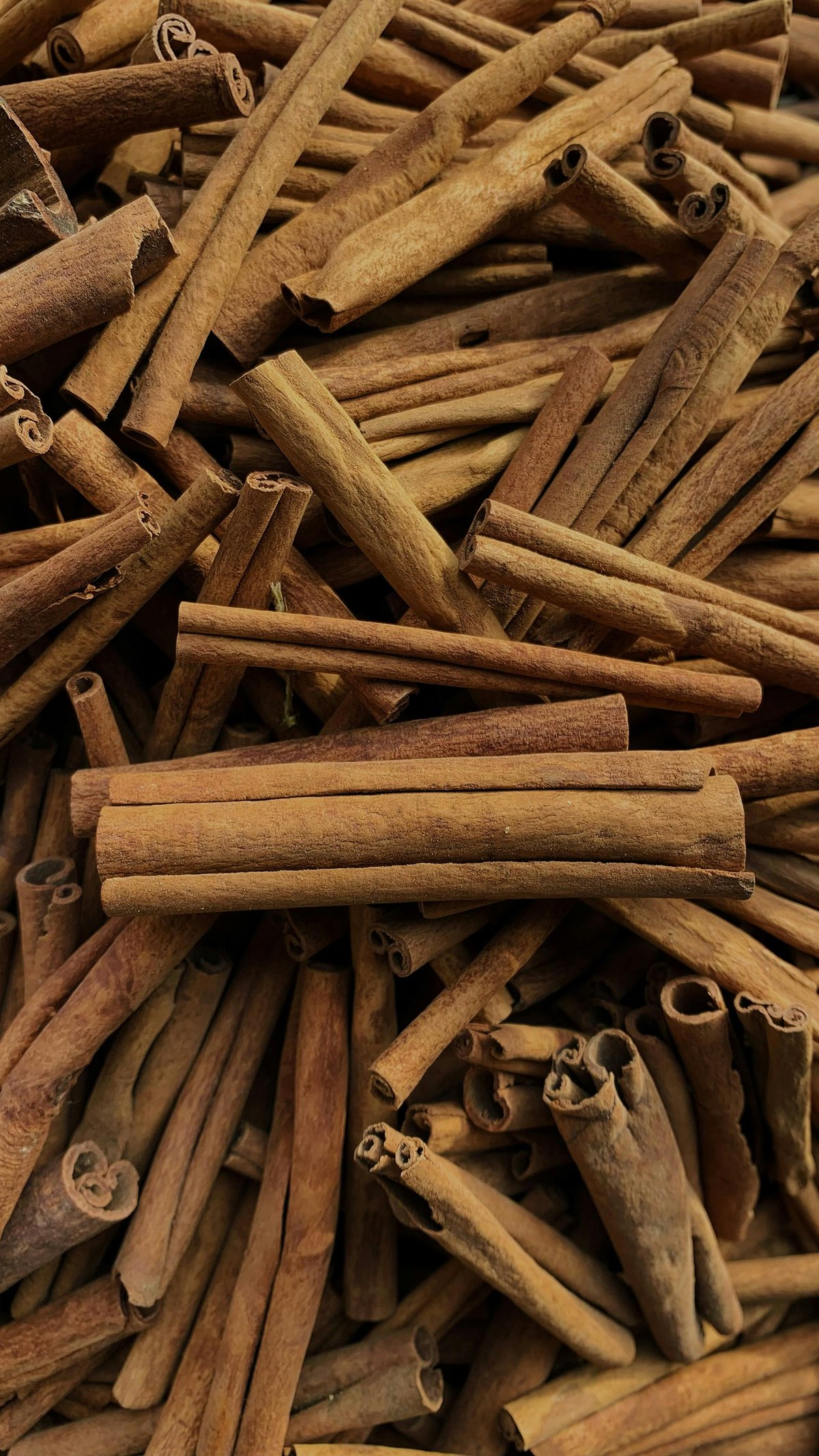
Kerala Cinnamon is true cinnamon — Cinnamomum verum — distinct from the cassia variety sold as cinnamon in most global markets. Grown in the humid tropical forests of Thrissur and Kottayam districts, Kerala cinnamon has distinctively thin, paper-fine quills that roll into multiple layers, a naturally sweet and delicate flavour profile, and critically — very low coumarin content, making it the safe choice for health-conscious consumers and EU-regulated food markets where high-coumarin cassia is restricted.
| Parameter | Terroir Kerala Cinnamon | Standard Indian | Commodity Import |
|---|---|---|---|
| GI Protected Origin | ✓ Certified | ✗ | ✗ |
| Farm-level Traceability | ✓ GPS tagged | ✗ | ✗ |
| NABL Lab COA | ✓ Every batch | Selective | ✗ |
| EtO-Free Processing | ✓ Steam only | Varies | ✗ |
| Coumarin Content (Safety) | Superior | Standard | Basic |
| Quill Quality & Texture | Exceptional | Average | Below avg |
Most global 'cinnamon' is cassia, which contains high levels of coumarin — a compound restricted in EU food regulations. Kerala true cinnamon has naturally negligible coumarin levels, making it the only legally unrestricted cinnamon for use in European food products without limitations.
The thin quills and naturally sweet flavour of Kerala cinnamon is the choice of French pastry chefs and Nordic bakers who find cassia's harsh, spicy heat incompatible with delicate applications. Kerala cinnamon allows the flavour to integrate rather than dominate.
True cinnamon is extensively studied for blood sugar regulation and anti-inflammatory properties. The low-coumarin certification allows wellness supplement brands to make health claims that cassia-based products cannot legally make in regulated markets.

True cinnamon (Cinnamomum verum) has documented clinical research supporting blood glucose regulation — a major nutraceutical application in the US and EU wellness markets.
Coumarin content <0.004% versus 1–12g/kg in cassia. EU Regulation EC 1334/2008 restricts cassia in baked goods. Kerala cinnamon has no dosage restriction.
Cinnamaldehyde (60–75%) provides documented antimicrobial and antifungal properties for clean-label food preservation and natural preservation formulations.
Volatile oil of 1–3% cinnamaldehyde-rich profile used in flavour houses, perfumery, and pharmaceutical formulations globally.
Note: Medicinal claims are based on published scientific literature and traditional use documentation. Health claims for product labels must comply with applicable regulations in the destination country.
Request a sample or submit a trade enquiry. We ship to UAE, UK, US, EU and 50+ countries.